Buy sex-community.net ?
We are moving the project
sex-community.net .
Are you interested in purchasing the domain
sex-community.net ?
domain@kv-gmbh.de · 0541-91531010
Buy sex-community.net ?
What are trophic levels and trophic structures?
Trophic levels refer to the hierarchical levels in an ecosystem through which energy and nutrients flow. They represent the feeding positions of different organisms in a food chain or food web. Trophic structures, on the other hand, describe the organization of these trophic levels within an ecosystem. This includes the distribution of energy and nutrients among different organisms, as well as the interactions and relationships between them. Overall, trophic levels and trophic structures are important concepts for understanding the flow of energy and nutrients in ecosystems and the dynamics of food chains and food webs. **
Are trophic levels and trophic levels the same in biology?
No, trophic levels and trophic levels are not the same in biology. Trophic levels refer to the hierarchical levels in an ecosystem based on an organism's position in the food chain, such as producers, primary consumers, secondary consumers, etc. On the other hand, trophic cascades are the indirect effects that occur when a change in one trophic level impacts other trophic levels in the ecosystem. Both concepts are important in understanding the dynamics of energy flow and interactions within ecosystems. **


Similar search terms for Trophic
Top-Angebote
Products related to Trophic:
-
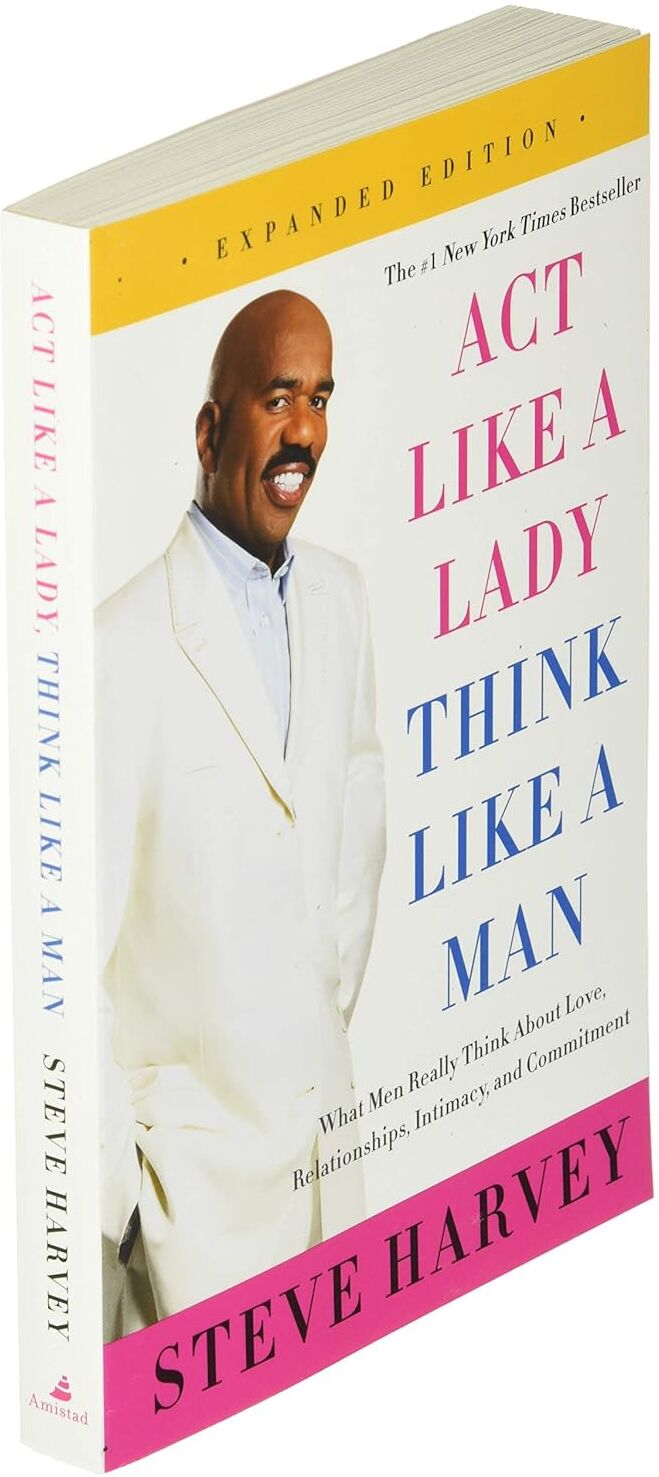
Amistad Act Like a Lady, Think Like a Man, Expanded Edition: What Men Really Think About Love, Relationships, Intimacy, and CommitmentThe #1 New York Times smash bestseller Revised and expanded with new material. With over two million copies sold, Act Like a Lady, Think Like a Man has become a bestseller around the world. In conjunction with its second movie sequel to be released this summer, Steve Harvey has updated his classic with new advice and insights. Whether it’s why women should enforce a “90-Day Probation Period” before they give their men sexual “benefits”―the way Ford motor company withholds medical and dental benefits until an employee has been on the job for 3 months―or explaining to women why men would rather “fix it” than talk about it, Steve Harvey’s advice is always spot-on and laden with warmth and humor. But behind the laughter is his sincere desire to help women understand how men think. Now, Steve shares even more practical dating advice. Does it feel like your man’s friends are against you? What should you know about being a wife, before you say “I Do”? Steve provides the answers to these questions and more, and offers new insights including: How to put spice into your relationship 8 sure-fire ways to keep your cool when his “ex” shows up A test for you and your partner, to see if you’re actually ready for marriage. . . or need more time A 90-day abstinence calendar, and tips for making it through this important trial period With liberal use of his own adventures in love and courtship, Act Like a Lady, Think Like a Man is an honest, compelling, and realistic examination of how men think about love and relationships, and what women need to know so that they can set realistic expectations of the men in their life.4,90 £*Shipping: 1,99 £Secure redirect to the provider
-
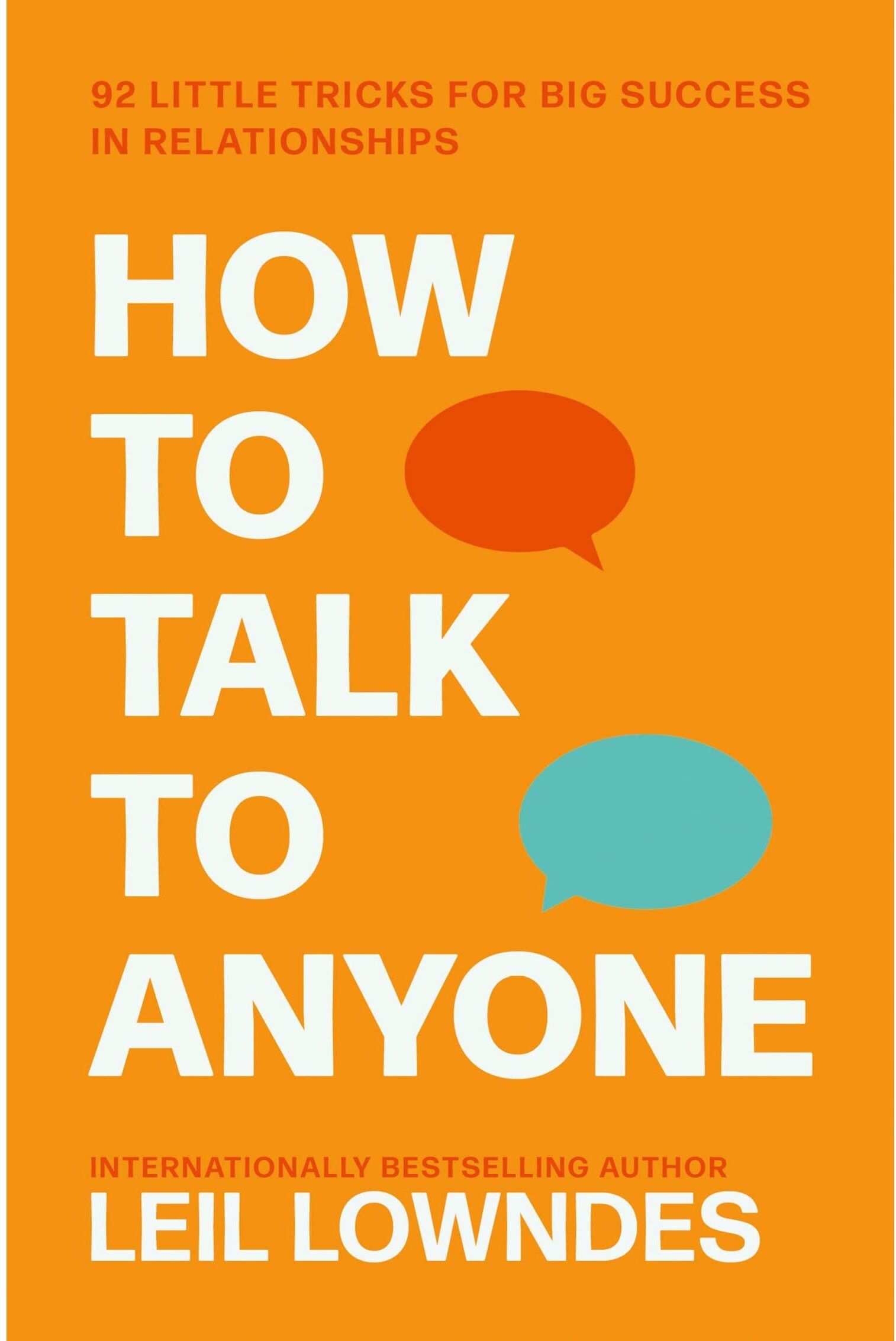
HARPERCOLLINS How to Talk to Anyone – 92 Little Tricks for Big Success in Relationships by Leil Lowndes Communication & Social Skills BestsellerMaster the art of confident communication. In How to Talk to Anyone: 92 Little Tricks for Big Success in Relationships, bestselling author and communication expert Leil Lowndes shares practical, easy-to-use techniques to help you connect with people in any situation. From networking events and job interviews to social gatherings and everyday conversations, this book shows you how to communicate with confidence, charisma, and impact. Packed with proven strategies on body language, first impressions, conversation starters, and listening skills, this timeless guide helps you overcome social anxiety, build rapport instantly, and leave a lasting impression. Whether you want to improve your personal relationships or advance your professional life, this book offers tools you can apply immediately. What You’ll Learn: How to start and end conversations effortlessly Secrets of confident body language and eye contact Techniques to build instant rapport and trust How to speak with authority and warmth Communication skills for work, dating, and social life A must-read for anyone looking to improve their social skills, networking ability, and personal confidence, How to Talk to Anyone is a classic self-help bestseller with lasting value.4,89 £*Shipping: 1,99 £Secure redirect to the provider
-
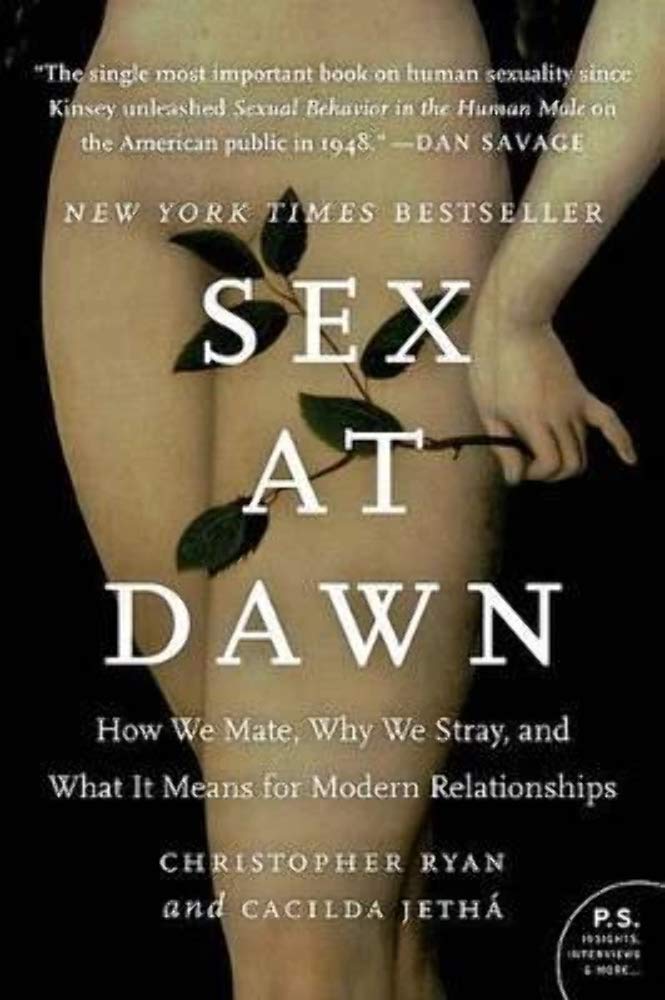
Harper Perennial Sex at Dawn: How We Mate, Why We Stray, and What It Means for Modern Relationships (P.S.)A controversial, idea-driven work of evolutionary psychology and anthropology that challenges everything you (think you) know about sex, monogamy, marriage, and family. In the words of Steve Taylor (The Fall, Waking From Sleep), Sex at Dawn is “a wonderfully provocative and well-written book which completely re-evaluates human sexual behavior and gets to the root of many of our social and psychological ills.” What if our struggles with monogamy, jealousy, and libido aren’t a personal failure, but an evolutionary mismatch? The Standard Narrative: A look at how the conventional story of human monogamy was built on flawed, outdated assumptions from the Victorian era. Primate Politics: Why our peaceful, hypersexual bonobo cousins may be a better model for our ancestral past than the violent, hierarchical chimpanzee. Foraging Societies: An exploration of our hunter-gatherer ancestors, who lived in fiercely egalitarian groups that shared food, child care, and even sexual partners. Sperm Competition: How human anatomy—from testis size to the female orgasm—points to a prehistory of multiple mating partners for both sexes. Modern Relationships: A new framework for understanding why passion fades, why so many struggle with monogamy, and what it means for our relationships today.5,99 £*Shipping: 2,99 £Secure redirect to the provider
-
The Ethical Slut, Third Edition: A Practical Guide to Polyamory, Open Relationships, and Other Freedoms in Sex and Love by Janet W. WDescription. Condition: BRAND NEW. Format: Paperback. For 20 years The Ethical Slut has dispelled myths and showed curious readers how to maintain a successful polyamorous lifestyle through open communication, emotional honesty, and safer sex practices. The third edition of this timeless guide to communication and sex has been revised to include interviews with poly millennials (young people who have grown up without the prejudices their elders encountered regarding gender, orientation, sexuality, and relationships), tributes to poly pioneers, and new sidebars on topics such as asexuality, sex workers, and ways polys can connect and thrive. The authors also include new content addressing nontraditional relationships beyond the polyamorous paradigm of "more than two": couples who don't live together, couples who don't have sex with each other, nonparallel arrangements, couples with widely divergent sex styles, power disparities, and cross-orientation relationships, while utilizing nonbinary gender language and new terms that have come into common usage since the last edition.. Title. The Ethical Slut, Third Edition: A Practical Guide to Polyamory, Open Relationships, and Other Freedoms in Sex and Love by Janet W. W. Delivery. Content. Reviews99,99 £*Shipping: 0,00 £Secure redirect to the provider

-
Are trophic levels and trophic levels the same thing in biology?
No, "trophic levels" and "trophic levels" are not the same thing in biology. "Trophic levels" refer to the hierarchical levels in an ecosystem based on an organism's position in the food chain, such as producers, primary consumers, secondary consumers, and so on. On the other hand, "trophic levels" appears to be a typographical error or a repetition of the term "trophic levels." In biology, it is important to use accurate and specific terminology to avoid confusion and miscommunication. **
-
Why do organisms become larger from trophic level to trophic level?
Organisms become larger from trophic level to trophic level due to the efficiency of energy transfer in ecosystems. As energy is transferred from one trophic level to the next, there is a loss of energy in the form of heat and metabolic processes. Larger organisms are able to consume more energy-rich food sources and have a more efficient metabolism, allowing them to grow in size as they move up the food chain. Additionally, larger organisms are better equipped to capture and consume prey, giving them a competitive advantage in obtaining energy and resources. **
-
Why do organisms get larger from trophic level to trophic level?
Organisms tend to get larger from one trophic level to the next because as energy is transferred up the food chain, there is a loss of energy at each level. This means that organisms at higher trophic levels need to consume larger quantities of organisms from lower trophic levels to obtain enough energy to sustain themselves. Additionally, larger organisms are more efficient at capturing and consuming prey, allowing them to thrive at higher trophic levels. Finally, larger organisms have a lower surface area to volume ratio, which helps them retain heat and energy more effectively. **
-
Why does the biomass decrease from trophic level to trophic level?
Biomass decreases from trophic level to trophic level because energy is lost as it moves through the food chain. Organisms at each trophic level use some of the energy they consume for their own metabolic processes, such as respiration and movement, and the rest is lost as heat. This means that there is less energy available to be passed on to the next trophic level, resulting in a decrease in biomass. Additionally, not all of the energy from one trophic level is consumed by the next level, as some is lost through waste and uneaten parts of organisms. **
What are trophic levels in biology?
Trophic levels in biology refer to the hierarchical levels in an ecosystem where organisms are grouped based on their feeding relationships. The primary producers, such as plants, are at the base of the trophic levels as they convert sunlight into energy through photosynthesis. Herbivores that feed on plants are at the next level, followed by carnivores that eat herbivores. Each trophic level represents a transfer of energy and nutrients through the ecosystem, with energy decreasing as it moves up the levels. **
What is the trophic level of omnivores?
Omnivores are organisms that consume both plants and animals, so their trophic level can vary. When they consume plants, they are considered primary consumers (herbivores) and when they consume animals, they are considered secondary consumers (carnivores). This means that omnivores can occupy multiple trophic levels within a food web, depending on their diet. **
Top-Angebote
Products related to Trophic:
-
HQ Smart Sex: A Self-Help Guide to Fun, Pleasure and Relationships - Non Fiction - PaperbackTitle:. Smart Sex: A Self-Help Guide to Fun, Pleasure and Relationships - Non Fiction - Paperback Format: Paperback Overview:. Smart Sex: A Self-Help Guide to Fun, Pleasure and Relationships is a practical, compassionate guide designed to help adults reclaim joy and confidence in their intimate life. In a warm, non-judgmental voice, this paperback edition offers straightforward strategies to boost fun, deepen connection, and improve relationships—whether you’re navigating dating, committed partnerships, or solo exploration. The book covers communication, consent, boundaries, and self-awareness, with actionable exercises, conversation starters, and reflective prompts. Readers will discover how to articulate desires, set healthy expectations, and explore pleasure in a respectful, safe way. The author blends psychology, real-world scenarios, and inclusive language to help readers feel seen and supported. The structure is accessible for beginners but insightful for those who have already started their journey, with practical tips you can try tonight. By focusing on pleasure as a component of well-being, the book reframes sex as something to be enjoyed, celebrated, and integrated into daily life. This edition’s paperback format makes it easy to carry, annotate, and revisit chapters on the commute, at home, or during a quiet moment of self-reflection. If you’ve been searching for a practical, uplifting guide to dating, intimacy, and relationships, Smart Sex is your friendly, reliable companion. What Makes This Book Stand Out:. Unlike many self-help titles, Smart Sex speaks in a warm, accessible tone that invites readers to experiment with ideas in real life. It pairs clear, actionable steps with compassionate guidance, so you can move from intention to action without feeling overwhelmed. You’ll find practical exercises to improve communication, confidence, and consent, including conversation starters tailored for initial dating, couple check-ins, and solo exploration. The book emphasizes consent, respect, and emotional safety while encouraging readers to explore pleasure as a natural, healthy part of life. Its inclusive language makes it welcoming for readers of all orientations and experiences, and it uses real-world scenarios to illustrate how small daily choices can strengthen trust and intimacy. The writing is concise but never preachy, offering a repeatable framework you can return to whenever you want to refresh your approach to sex and relationships. Who This Book Is Perfect For:. This book is for adults who want to enrich their love lives, whether dating, in a long-term relationship, or navigating new territory on their own. It's ideal for readers seeking practical, down-to-earth guidance on communication, boundaries, and pleasure. If you’re looking for a no-nonsense, empathetic self-help resource that respects diversity and personal pace, this paperback is for you. Gift buyers and classroom-style readers alike will appreciate its approachable...10,99 £*Shipping: 2,99 £Secure redirect to the provider
-
Rupa Publications Swipe Smart: Dating In The Age of Red Flags and Green Flags by David Keane - Paperback Dating & Relationships Guide - UK EditionA sharp, funny, and refreshingly honest guide to modern dating, written for anyone who has ever swiped, ghosted, or been ghosted. David Keane blends humour with genuine insight, helping readers spot red flags before they become heartbreak and recognise green flags worth pursuing. Part relationship guide, part comic survival manual, this book is for every single person navigating dating apps. Dating in the digital age can be confusing, and this book cuts through the noise with wit, warmth, and no-nonsense advice. David Keane understands that the thrill of a new match can quickly curdle into disappointment, and this book is his playbook for telling the difference between a spark worth chasing and a warning sign worth heeding. Written by David Keane and published by Rupa Publications India, this book is a must-read for anyone looking to navigate the complexities of modern dating.2,99 £*Shipping: 2,99 £Secure redirect to the provider
-
Amistad Act Like a Lady, Think Like a Man, Expanded Edition: What Men Really Think About Love, Relationships, Intimacy, and CommitmentThe #1 New York Times smash bestseller Revised and expanded with new material. With over two million copies sold, Act Like a Lady, Think Like a Man has become a bestseller around the world. In conjunction with its second movie sequel to be released this summer, Steve Harvey has updated his classic with new advice and insights. Whether it’s why women should enforce a “90-Day Probation Period” before they give their men sexual “benefits”―the way Ford motor company withholds medical and dental benefits until an employee has been on the job for 3 months―or explaining to women why men would rather “fix it” than talk about it, Steve Harvey’s advice is always spot-on and laden with warmth and humor. But behind the laughter is his sincere desire to help women understand how men think. Now, Steve shares even more practical dating advice. Does it feel like your man’s friends are against you? What should you know about being a wife, before you say “I Do”? Steve provides the answers to these questions and more, and offers new insights including: How to put spice into your relationship 8 sure-fire ways to keep your cool when his “ex” shows up A test for you and your partner, to see if you’re actually ready for marriage. . . or need more time A 90-day abstinence calendar, and tips for making it through this important trial period With liberal use of his own adventures in love and courtship, Act Like a Lady, Think Like a Man is an honest, compelling, and realistic examination of how men think about love and relationships, and what women need to know so that they can set realistic expectations of the men in their life.4,90 £*Shipping: 1,99 £Secure redirect to the provider
-
HARPERCOLLINS How to Talk to Anyone – 92 Little Tricks for Big Success in Relationships by Leil Lowndes Communication & Social Skills BestsellerMaster the art of confident communication. In How to Talk to Anyone: 92 Little Tricks for Big Success in Relationships, bestselling author and communication expert Leil Lowndes shares practical, easy-to-use techniques to help you connect with people in any situation. From networking events and job interviews to social gatherings and everyday conversations, this book shows you how to communicate with confidence, charisma, and impact. Packed with proven strategies on body language, first impressions, conversation starters, and listening skills, this timeless guide helps you overcome social anxiety, build rapport instantly, and leave a lasting impression. Whether you want to improve your personal relationships or advance your professional life, this book offers tools you can apply immediately. What You’ll Learn: How to start and end conversations effortlessly Secrets of confident body language and eye contact Techniques to build instant rapport and trust How to speak with authority and warmth Communication skills for work, dating, and social life A must-read for anyone looking to improve their social skills, networking ability, and personal confidence, How to Talk to Anyone is a classic self-help bestseller with lasting value.4,89 £*Shipping: 1,99 £Secure redirect to the provider
-
What are trophic levels and trophic structures?
Trophic levels refer to the hierarchical levels in an ecosystem through which energy and nutrients flow. They represent the feeding positions of different organisms in a food chain or food web. Trophic structures, on the other hand, describe the organization of these trophic levels within an ecosystem. This includes the distribution of energy and nutrients among different organisms, as well as the interactions and relationships between them. Overall, trophic levels and trophic structures are important concepts for understanding the flow of energy and nutrients in ecosystems and the dynamics of food chains and food webs. **
-
Are trophic levels and trophic levels the same in biology?
No, trophic levels and trophic levels are not the same in biology. Trophic levels refer to the hierarchical levels in an ecosystem based on an organism's position in the food chain, such as producers, primary consumers, secondary consumers, etc. On the other hand, trophic cascades are the indirect effects that occur when a change in one trophic level impacts other trophic levels in the ecosystem. Both concepts are important in understanding the dynamics of energy flow and interactions within ecosystems. **
-
Are trophic levels and trophic levels the same thing in biology?
No, "trophic levels" and "trophic levels" are not the same thing in biology. "Trophic levels" refer to the hierarchical levels in an ecosystem based on an organism's position in the food chain, such as producers, primary consumers, secondary consumers, and so on. On the other hand, "trophic levels" appears to be a typographical error or a repetition of the term "trophic levels." In biology, it is important to use accurate and specific terminology to avoid confusion and miscommunication. **
-
Why do organisms become larger from trophic level to trophic level?
Organisms become larger from trophic level to trophic level due to the efficiency of energy transfer in ecosystems. As energy is transferred from one trophic level to the next, there is a loss of energy in the form of heat and metabolic processes. Larger organisms are able to consume more energy-rich food sources and have a more efficient metabolism, allowing them to grow in size as they move up the food chain. Additionally, larger organisms are better equipped to capture and consume prey, giving them a competitive advantage in obtaining energy and resources. **
Similar search terms for Trophic
-
Harper Perennial Sex at Dawn: How We Mate, Why We Stray, and What It Means for Modern Relationships (P.S.)A controversial, idea-driven work of evolutionary psychology and anthropology that challenges everything you (think you) know about sex, monogamy, marriage, and family. In the words of Steve Taylor (The Fall, Waking From Sleep), Sex at Dawn is “a wonderfully provocative and well-written book which completely re-evaluates human sexual behavior and gets to the root of many of our social and psychological ills.” What if our struggles with monogamy, jealousy, and libido aren’t a personal failure, but an evolutionary mismatch? The Standard Narrative: A look at how the conventional story of human monogamy was built on flawed, outdated assumptions from the Victorian era. Primate Politics: Why our peaceful, hypersexual bonobo cousins may be a better model for our ancestral past than the violent, hierarchical chimpanzee. Foraging Societies: An exploration of our hunter-gatherer ancestors, who lived in fiercely egalitarian groups that shared food, child care, and even sexual partners. Sperm Competition: How human anatomy—from testis size to the female orgasm—points to a prehistory of multiple mating partners for both sexes. Modern Relationships: A new framework for understanding why passion fades, why so many struggle with monogamy, and what it means for our relationships today.5,99 £*Shipping: 2,99 £Secure redirect to the provider
-
The Ethical Slut, Third Edition: A Practical Guide to Polyamory, Open Relationships, and Other Freedoms in Sex and Love by Janet W. WDescription. Condition: BRAND NEW. Format: Paperback. For 20 years The Ethical Slut has dispelled myths and showed curious readers how to maintain a successful polyamorous lifestyle through open communication, emotional honesty, and safer sex practices. The third edition of this timeless guide to communication and sex has been revised to include interviews with poly millennials (young people who have grown up without the prejudices their elders encountered regarding gender, orientation, sexuality, and relationships), tributes to poly pioneers, and new sidebars on topics such as asexuality, sex workers, and ways polys can connect and thrive. The authors also include new content addressing nontraditional relationships beyond the polyamorous paradigm of "more than two": couples who don't live together, couples who don't have sex with each other, nonparallel arrangements, couples with widely divergent sex styles, power disparities, and cross-orientation relationships, while utilizing nonbinary gender language and new terms that have come into common usage since the last edition.. Title. The Ethical Slut, Third Edition: A Practical Guide to Polyamory, Open Relationships, and Other Freedoms in Sex and Love by Janet W. W. Delivery. Content. Reviews99,99 £*Shipping: 0,00 £Secure redirect to the provider
-
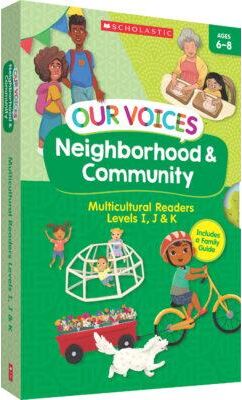
Our Voices: Neighborhood & Community Boxed SetFoster a feeling of belonging while building key reading skills with these colorful storybooks that spotlight a variety of neighborhoods and communities. The 10 charming stories feature characters from different cultural backgrounds who learn about...32,37 $*Shipping: 0,00 $Secure redirect to the provider
-
Why do organisms get larger from trophic level to trophic level?
Organisms tend to get larger from one trophic level to the next because as energy is transferred up the food chain, there is a loss of energy at each level. This means that organisms at higher trophic levels need to consume larger quantities of organisms from lower trophic levels to obtain enough energy to sustain themselves. Additionally, larger organisms are more efficient at capturing and consuming prey, allowing them to thrive at higher trophic levels. Finally, larger organisms have a lower surface area to volume ratio, which helps them retain heat and energy more effectively. **
-
Why does the biomass decrease from trophic level to trophic level?
Biomass decreases from trophic level to trophic level because energy is lost as it moves through the food chain. Organisms at each trophic level use some of the energy they consume for their own metabolic processes, such as respiration and movement, and the rest is lost as heat. This means that there is less energy available to be passed on to the next trophic level, resulting in a decrease in biomass. Additionally, not all of the energy from one trophic level is consumed by the next level, as some is lost through waste and uneaten parts of organisms. **
-
What are trophic levels in biology?
Trophic levels in biology refer to the hierarchical levels in an ecosystem where organisms are grouped based on their feeding relationships. The primary producers, such as plants, are at the base of the trophic levels as they convert sunlight into energy through photosynthesis. Herbivores that feed on plants are at the next level, followed by carnivores that eat herbivores. Each trophic level represents a transfer of energy and nutrients through the ecosystem, with energy decreasing as it moves up the levels. **
-
What is the trophic level of omnivores?
Omnivores are organisms that consume both plants and animals, so their trophic level can vary. When they consume plants, they are considered primary consumers (herbivores) and when they consume animals, they are considered secondary consumers (carnivores). This means that omnivores can occupy multiple trophic levels within a food web, depending on their diet. **
* All prices are inclusive of VAT and, if applicable, plus shipping costs. The offer information is based on the details provided by the respective shop and is updated through automated processes. Real-time updates do not occur, so deviations can occur in individual cases. ** Note: Parts of this content were created by AI.